The Vintages
Explore the must-sees of the city of Troyes and its surroundings

Plains, hills and vines
Leaving Troyes in a north-westerly direction, the chalky Champagne region, which used to be seen as a poor area, has ...
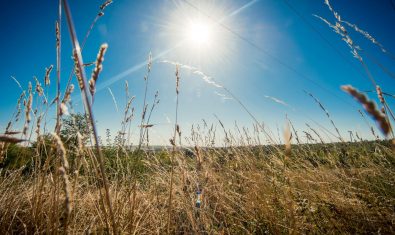
A Feel Of Normandy
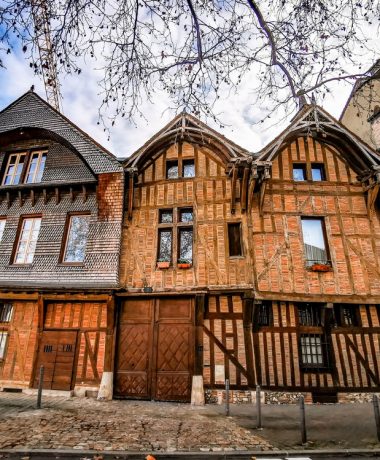
Moving towards the west of Troyes, there are new landscapes again… authentic, unique: where colours and textures are beautifully mixed. ...
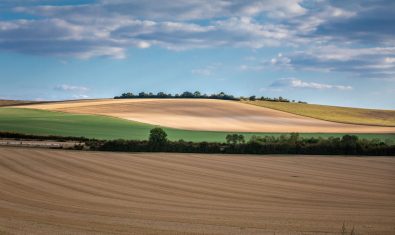
Between The Plain And The Barrois Plateau
A land of nature and history From the Troyes Plain, crossing the humid Champagne region to the plateaus, headlands, steep ...
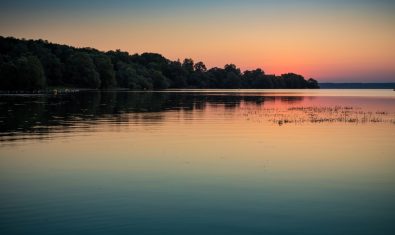
Towards The Humid Champagne Region
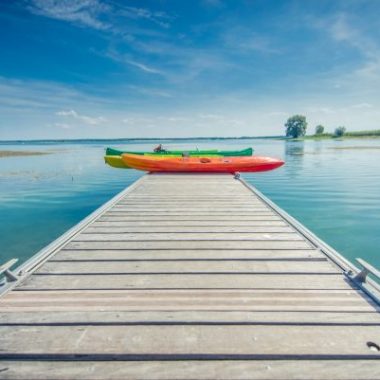
Crossing the department diagonally, like a scarf, this lush land is punctuated by lakes and vast artificial water plains, contrasting ...
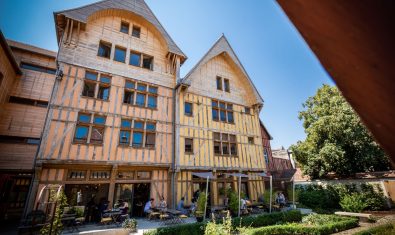
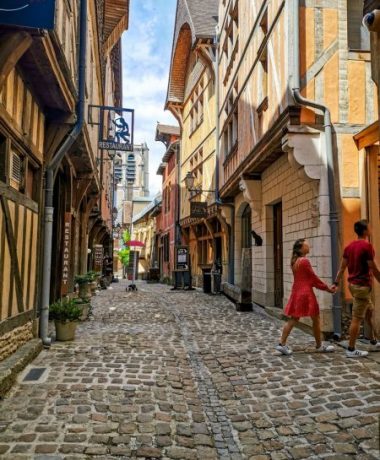
Troyes : Where The Past Enconters renewal
No one comes to Troyes for the first time and leaves indifferent! That’s just arrogance and jingoism, you might say! ...
Sparkling ideas





Amaze yourself visit Troyes!


Book your activities online...
Strolls, guided tours, city pass, ... Lovely proposals of activities and outings to visit Troyes
To be enjoyed without moderation!
Book your activities and leisure for an unforgettable day!
When do we meet?


City Pass
Visit more, spend less with the City’Pass Troyes la Champagne (from April 2024) An original formula ! With this new formula, service providers will be equipped with a special reader to read City cards, so...

Activities for Children
Les petits secrets de Troyes. Discover the secrets of the city of a thousand colours! This activity transforms the city into a real playground for young and old alike! An unforgettable moment! Alone, with family...
#troyestourisme
Share your favourites on Instagram with the hashtag #troyestourisme
Follow us
Extend the experience by following us on social networks